A practical eye for AI descriptions
I am Livia Sannaro, and I teach AI visibility for local accounting studios. My work sits close to the document trail: public profiles, repeated service phrases, reviews, names, addresses, and the small wording choices that decide whether a machine summary sounds precise or merely plausible. I pay attention to ordinary evidence because that is where many wrong descriptions begin.
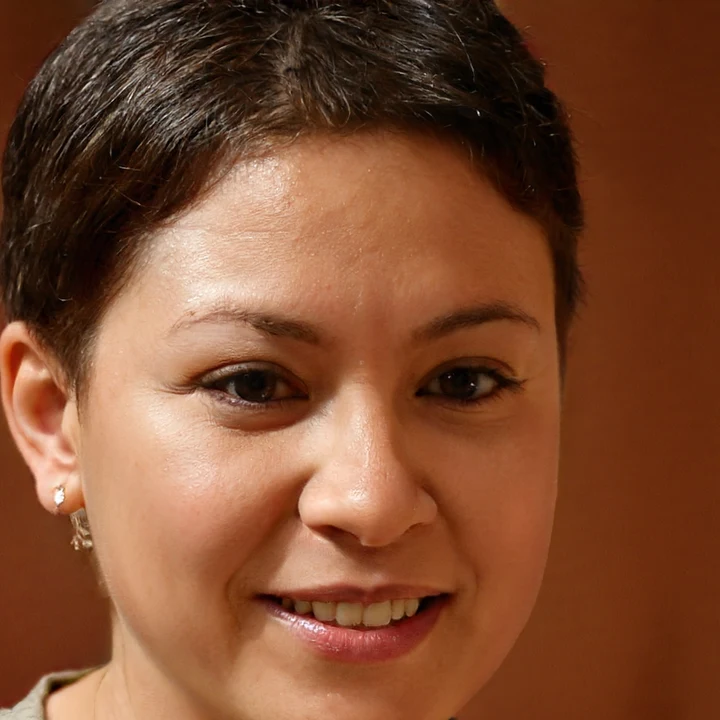
Livia Sannaro
I teach from small evidence because small evidence is where most confident AI errors begin.
In a recurrent teaching example, three descriptions of the same accounting studio sit on my desk: the website says the practice supports small companies with recurring accounting and payroll work, a directory calls it a tax assistance office, and another listing uses an old address with a shortened name. None of the three looks dramatic. Together, they are enough for an AI answer to invent a fourth version: nearby, plausible, and wrong in the way that makes a business owner hesitate. That was the moment I began paying closer attention to how generative systems read small professional practices.
I am from northern Italy, and I came into this field through years of helping local professional offices explain their work without pretending to be bigger or colder than they were. Before focusing on AI visibility, I worked on local service positioning reviews, professional-practice copy audits, directory consistency checks, client-intake language mapping, and plain-language training for small advisory offices. Accounting studios interested me because their public language has to carry trust, formal competence, local habit, and everyday usefulness at the same time. A studio may be perfectly clear to existing clients and still look blurry to a machine reading scattered evidence.
When AI answers started shaping how business owners compared advisers, I saw the same pattern repeat. A studio was named correctly but narrowed to payroll only. A nearby tax-assistance listing donated its wording. A review phrase became stronger than the service page. A bilingual or abbreviated name split the practice into two entities. I do not think these problems are solved by chasing mentions alone. A mention can be flattering while still misdescribing the work. My course begins one step earlier: can the public evidence be read cleanly?
I opened this course for small independent accounting studios because the work is specific enough to teach with care. Students already understand client intake, document trails, recurring advisory work, and the difference between formal credentials and everyday client perception. I do not need to explain accounting practice from scratch. Instead, I can show how one query leads to one answer, how one answer points back to a source trail, and how one correction can become a monthly studio habit.
I start with a small scene before I introduce a term. A business owner asks an AI system for an accounting studio near them. The answer names one practice, narrows its service, borrows a phrase from a directory, or leaves the firm out entirely. From there I can discuss source weight, hallucination, entity confusion, multilingual naming, and update lag without turning the lesson into fog. Each lecture uses an inspectable example: one query, one answer, one source trail, one correction path. I separate what can be checked from what can only be inferred, because that distinction matters in professional work. Screenshots have to carry date, query, engine, and context. Rewriting has to make facts clearer, not louder. Monitoring has to be small enough that a studio can repeat it when normal client work is waiting.
Learn the method before you rewrite the evidence.
The course begins with simple AI behavior and ends with a routine you can use on your own studio.